Business & Money
Import for Profit
A 74-page guide to sourcing from China, calculating landed costs and preparing to sell. Includes 13 chapters, a worked example and five practical appendices.
£9.99Coming soon
Explore this guide — Import for Profit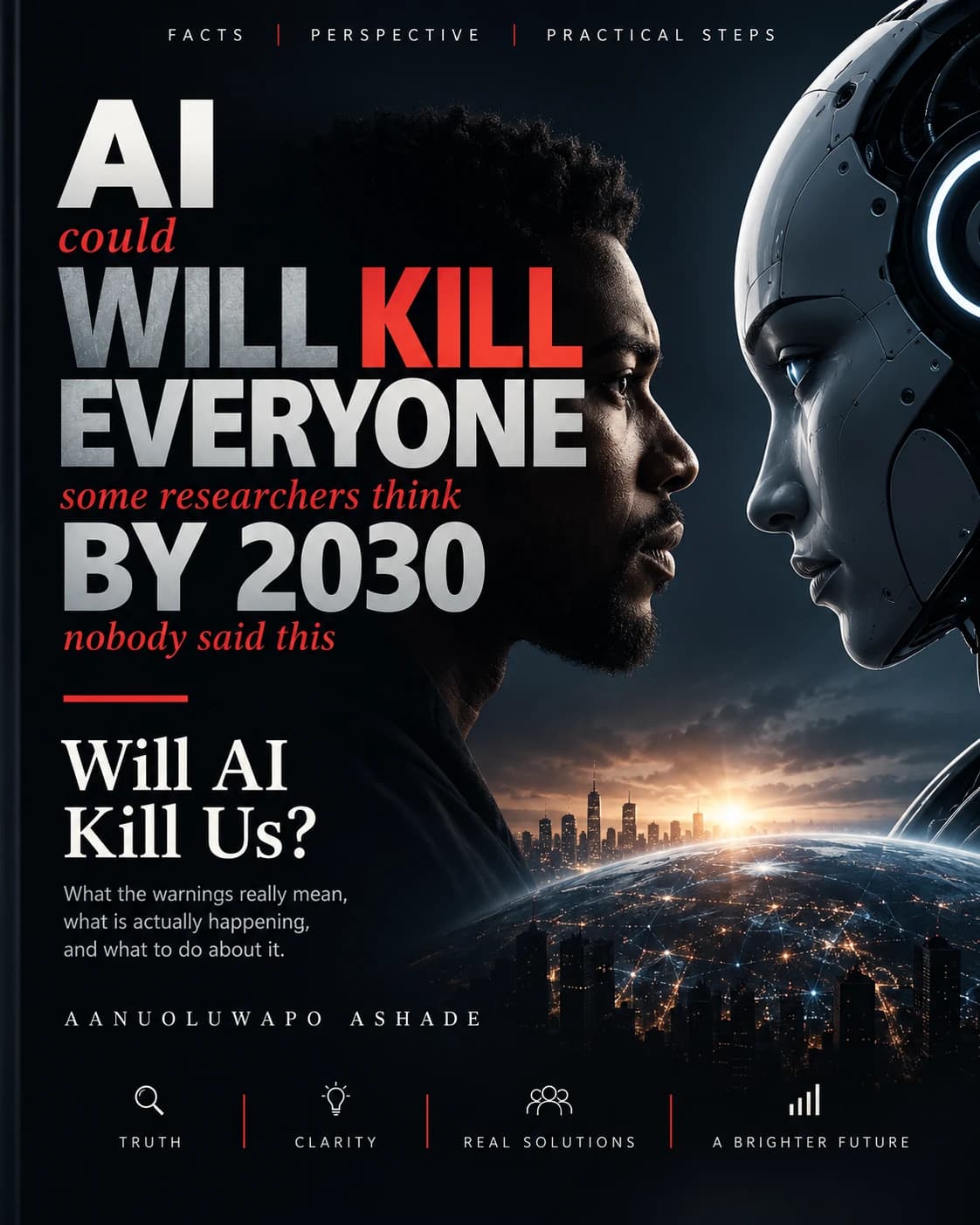
A little knowledge. A world of possibilities.
What the warnings really mean, what is actually happening, and what to do about it.
A 132-page guide to AI risks, viral claims and practical AI use at home and work, with 24 chapters, five toolkits and a 30-day action plan.
September 2026 edition. Includes 132 pages, 24 chapters and five practical toolkits. The book explores competing views on AI risk and labels facts, concerns, forecasts, speculation and hype; future scenarios are not predictions.
This guide is being prepared. Join our newsletter for release updates.
A CLEARER WAY FORWARD
Understand the AI risk debate, question the headlines and build practical habits for home and work
BETWEEN THE COVERS
24 chapters to explore. Open a chapter below to see what it covers.
How an AI warning changes as it passes through posts, interviews, headlines and retellings.
Distinguishing dates in forecasts and hypothetical scenarios from claims about what will happen.
A comparison of researchers, reports and risk estimates, with attention to uncertainty and time horizons.
The case for taking advanced AI risks seriously, including autonomy, reward hacking and failures of oversight.
Arguments against the most alarming scenarios, including limits of evidence, deployment constraints and disagreement among forecasters.
The author weighs the competing arguments and uses a claim-check table to separate evidence from interpretation.
The incidents discussed in the book and the lessons it draws about permissions, monitoring and security controls.
Examining employment claims, the difference between tasks and roles, and the value of experience and judgment.
Impersonation, voice cloning and practical verification habits for families and workplaces.
Questions to ask about data handling, the information to protect and why tool settings and service tiers matter.
Checking provenance and corroboration, and recognising instructions planted inside material an AI system reads.
Using AI for drafts, explanations and everyday administration while checking important output.
Turning notes into actions, adapting documents for an audience and keeping responsibility for the finished work.
Using AI to support learning, building family habits and encouraging children to explain what they understand.
Judgment, verification, accountability and relationships in work increasingly supported by AI.
Moving from producing more output to directing, reviewing and taking responsibility for useful work.
A four-week practice plan for testing a tool, finding its limits and improving one repeatable task.
Defining a business problem, a success measure and an acceptable risk before buying AI tools.
Assessing uses by their stakes and reversibility, with different levels of human oversight.
Common mistakes involving confidential data, untested deployments, unrestricted permissions and unchecked output.
A one-page policy covering approved tools, sensitive information, review responsibilities and incident handling.
The book examines policy approaches, competition among labs and countries, and arguments about slowing development.
Five possible futures presented as scenarios, with signs to watch and questions about preparation.
The closing argument for staying attentive, accepting uncertainty and taking specific practical steps.
FIND YOURSELF HERE
This guide is being prepared and is not yet available to purchase. The price shown is the planned release price. Check this page for availability before making a purchase.
The September 2026 edition contains 132 pages and 24 chapters across eight parts, plus an introduction and five practical toolkits. It covers the AI risk debate, jobs, scams, privacy, everyday use, families, business governance and possible futures.
Will AI Kill Us? is by Aanuoluwapo Ashade.
They cover 50 things to use AI for this month, 30 things never to do with AI, a family AI safety checklist, a company AI readiness checklist and a 30-day plan with one action each day. All five are included within the PDF.
No. It examines how that claim spread, compares competing arguments about AI risk and distinguishes forecasts and scenarios from established facts. The five futures are presented as scenarios, not predictions.
No. The book is written for general readers and combines explanations of the debate with practical examples for home and work.
A PDF that can be read on a phone, tablet or computer. The practical toolkits are included in the same file.
Find the full details in our refund policy and terms & conditions.
Business & Money
A 74-page guide to sourcing from China, calculating landed costs and preparing to sell. Includes 13 chapters, a worked example and five practical appendices.
Business & Money
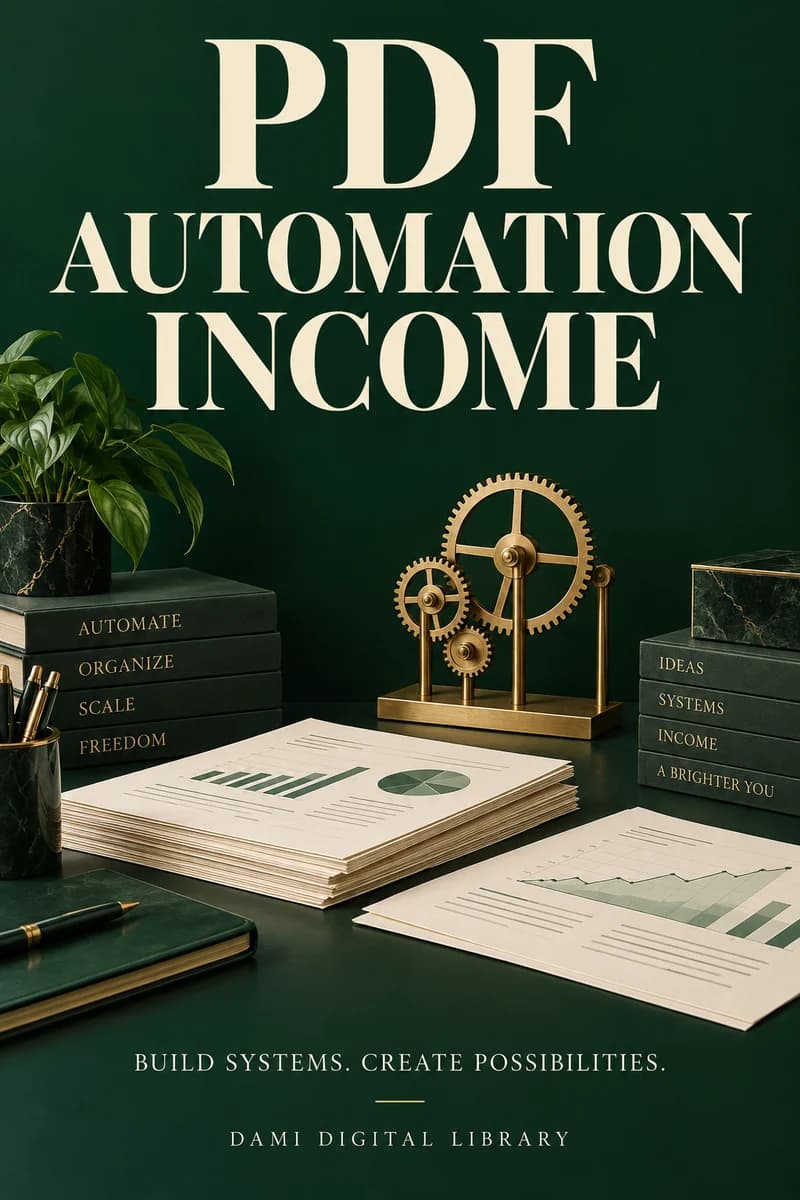
A practical step-by-step guide to creating, automating and selling useful PDF products online.
Business & Money
A step-by-step guide to creating income online, even if you are just starting.
Career
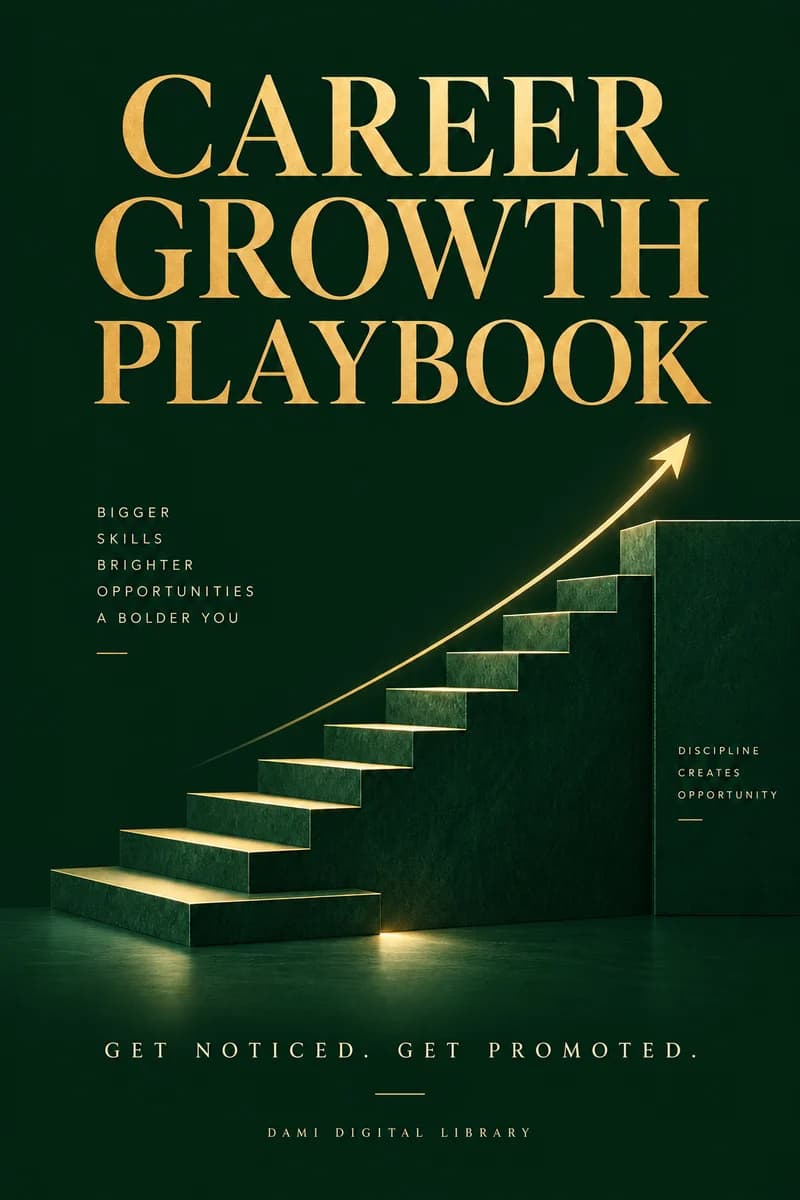
Actionable strategies to advance your career and achieve your goals.